

Industrial Pipework Plumbing Services in North Manchester, IN
North Manchester Industrial Pipework Experts available now in Wabash County
Industrial Pipework delivers a high-capacity plumbing service customized for manufacturing, processing, and large-scale facilities requiring complex piping networks. This service encompasses the design, installation, and maintenance of pipes that carry water, chemicals, steam, and compressed gases. It meets stringent industry regulations and safety standards, ensuring durability and system integrity under demanding conditions
We provide top-quality Plumbing services throughout Wabash County. Whether you need help with Industrial Pipework or other issues, our Professionals is ready.

Plumbing Services in North Manchester, IN
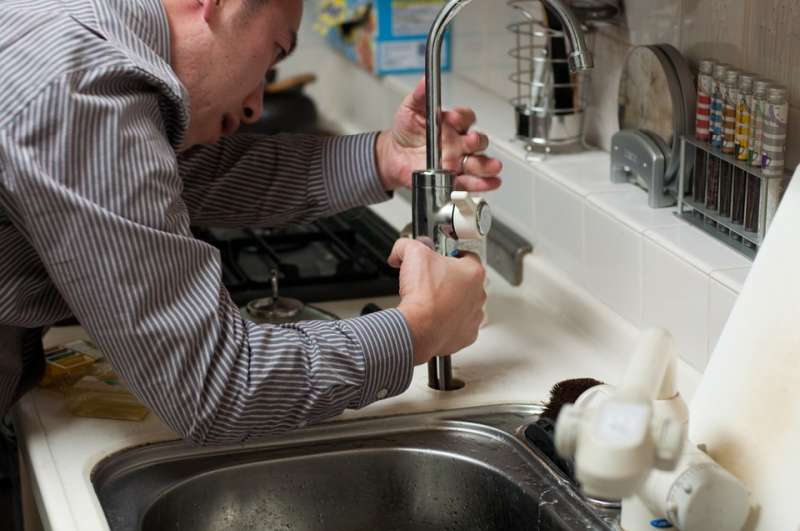
Setting up dishwashers, water heaters (tank and tankless), waste disposal unit, and cleaning machines.
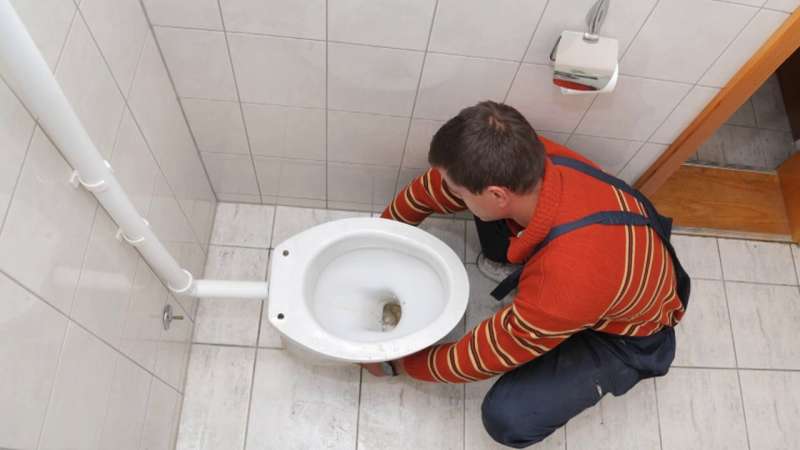
Guaranteeing backflow prevention devices are working properly.
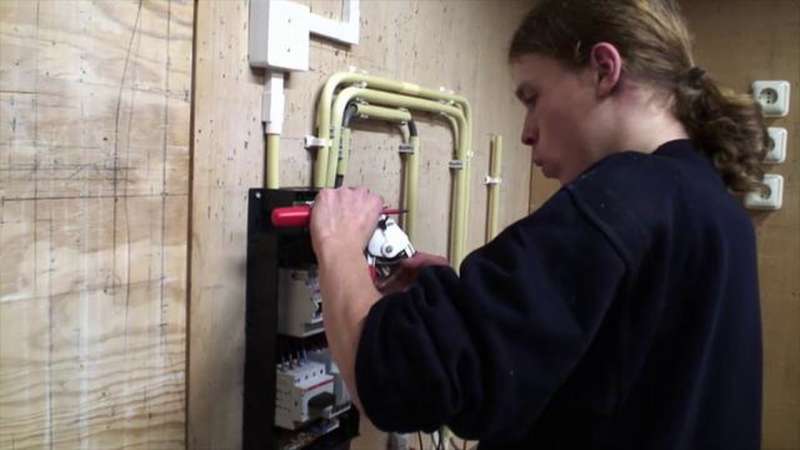
Moving or upgrading plumbing systems.
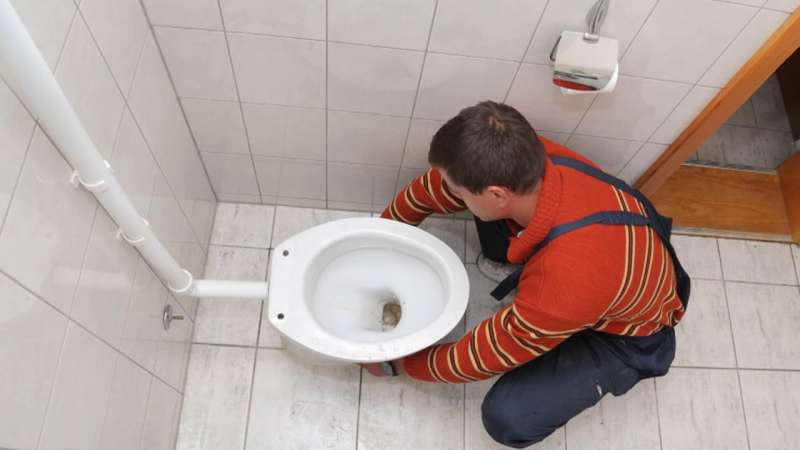
Making sure plumbing systems fulfill local guidelines.
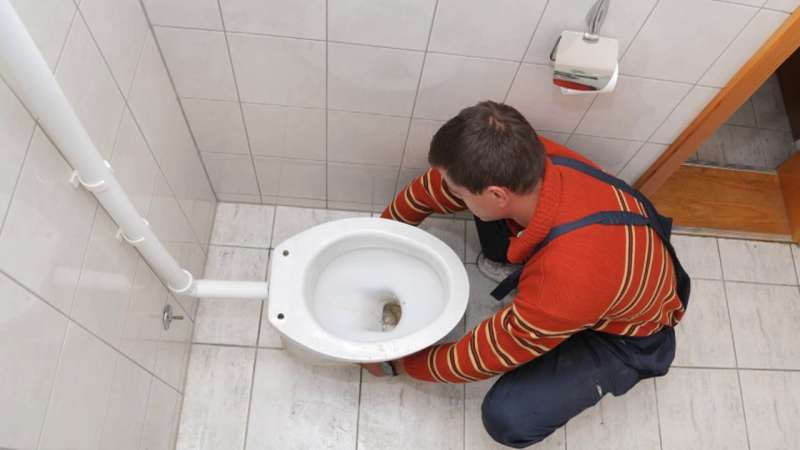
Immediate action to prevent flooding and water damage.
Cleaning obstructions in sinks, toilets, showers, and sewer lines.
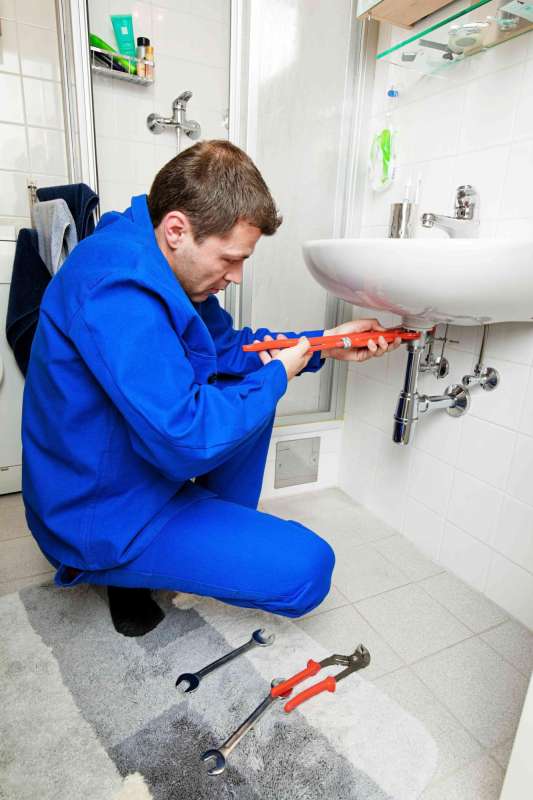
Routine cleansing to prevent blockages and preserve flow.
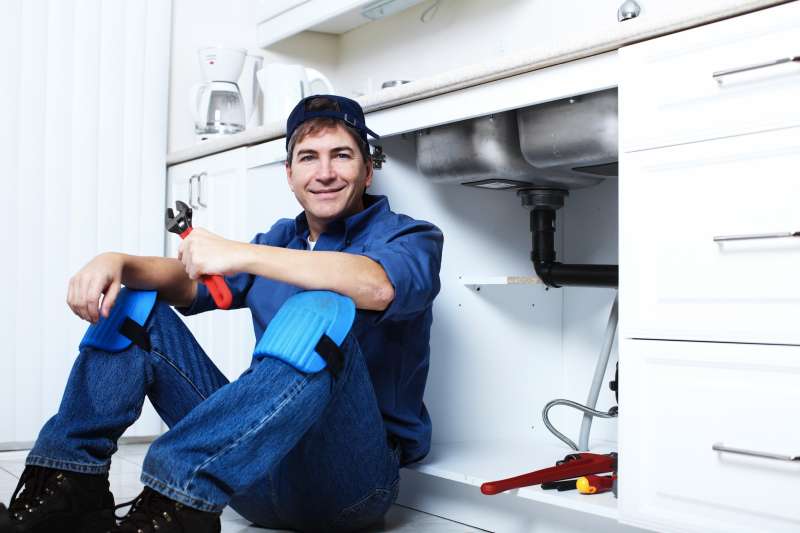
Fixing malfunctioning faucets, toilets, and other fixtures.
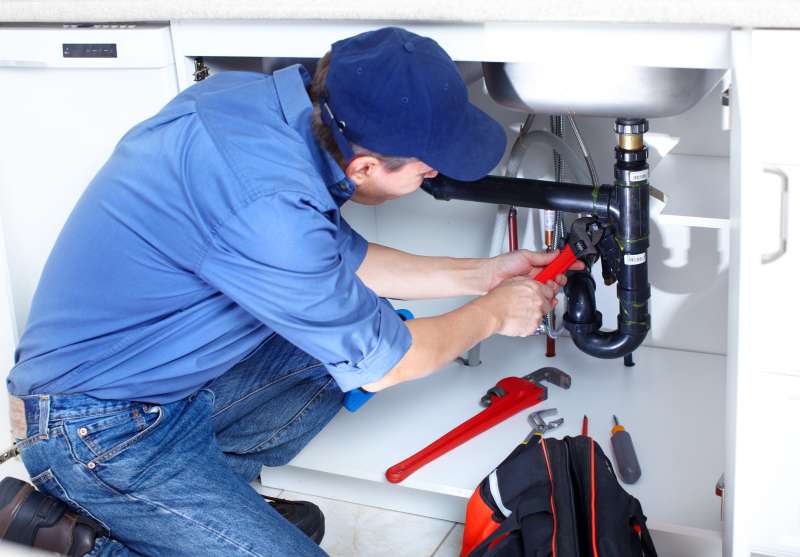
Installation of sinks, faucets, toilets, bathtubs, and showers.

Emergency detection and repair to prevent threats.
Repairing gas leakages and guaranteeing correct gas line operating.
Setting up systems for reusing home wastewater.
Installing and keeping radiant floor heating systems.
Specialized piping for factories or industrial settings.
Installing and keeping outdoor watering.
Plumbing systems for new buildings or renovations.

Repairing leaks in pipes, faucets, toilets, and home appliances.
Quick resolution of serious clogs and overflows.
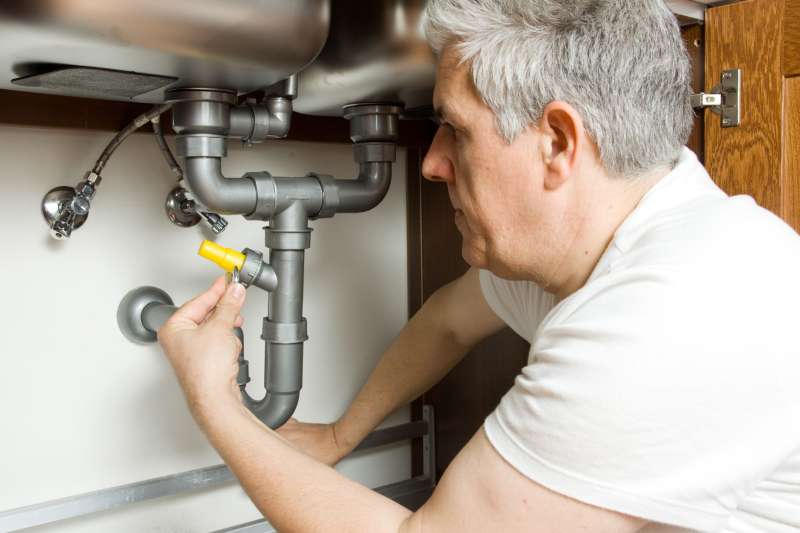
Utilizing cameras to inspect pipes for damage or obstructions.
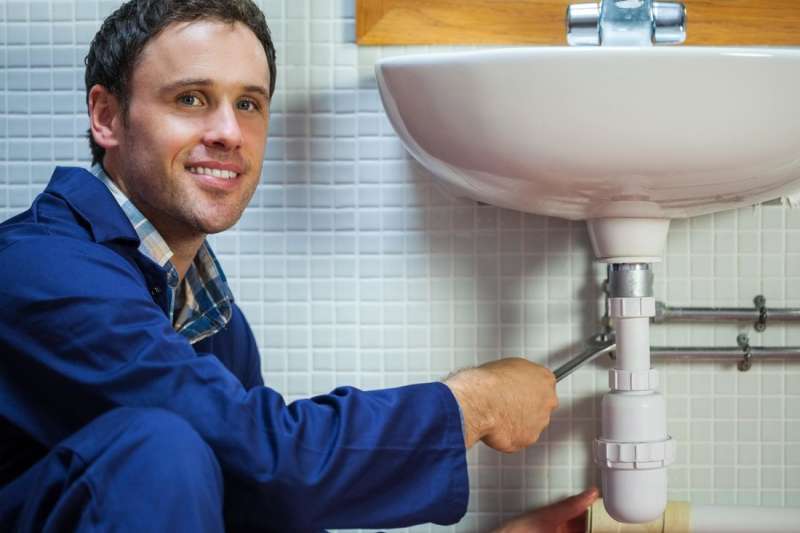
Repairing or changing burst, rusted, or damaged pipes.
Installing brand-new piping systems for water, gas, and drainage.
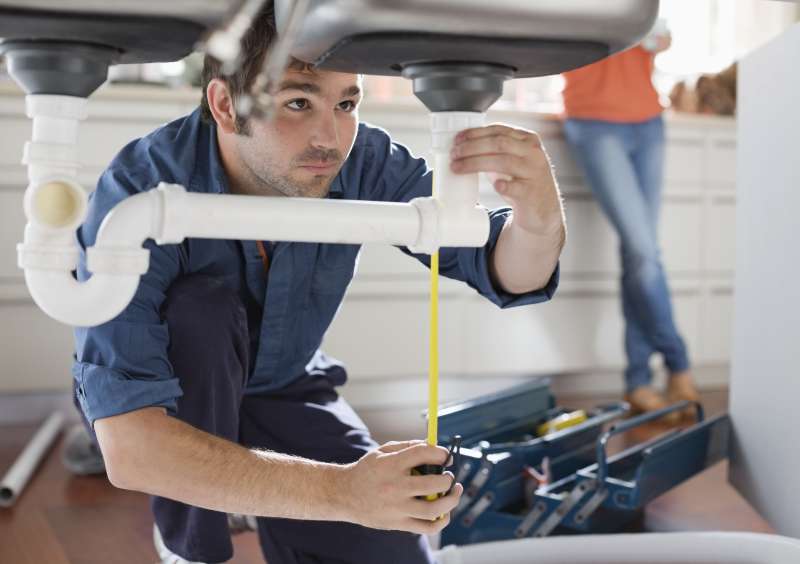
Assessing plumbing systems before buying residential or commercial property.
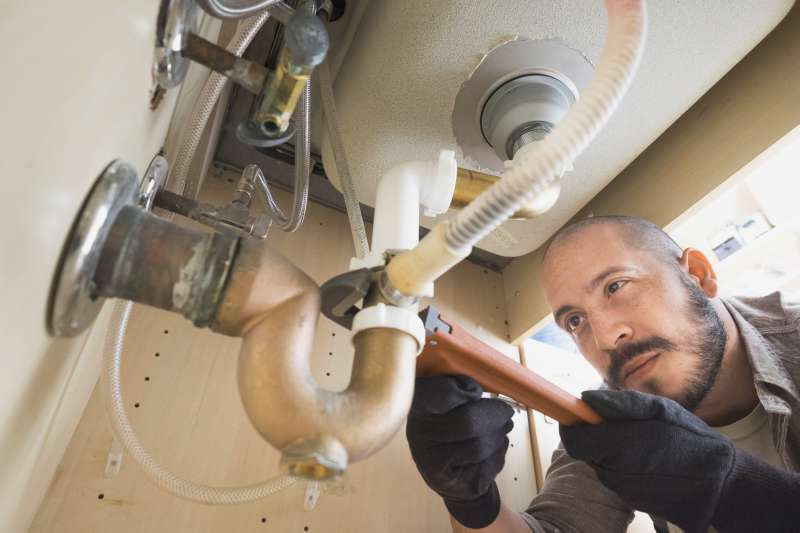
Setting up systems to collect and use rainwater.
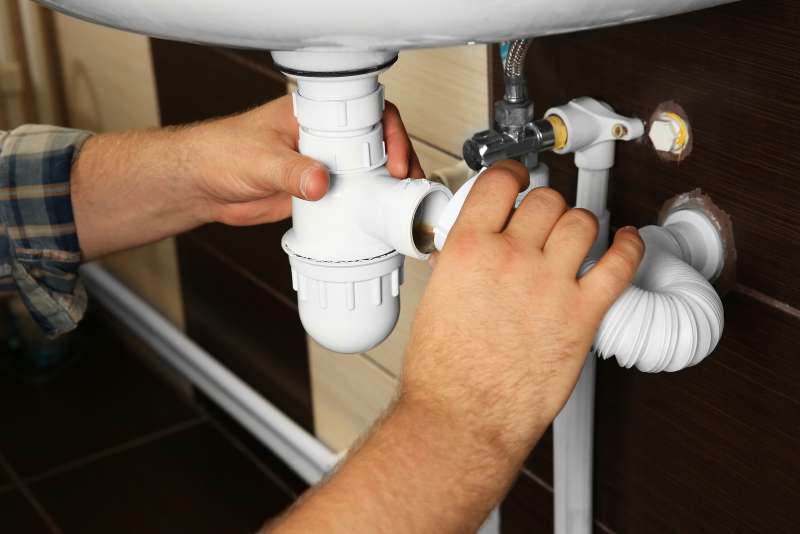
Ongoing maintenance services for organizations.
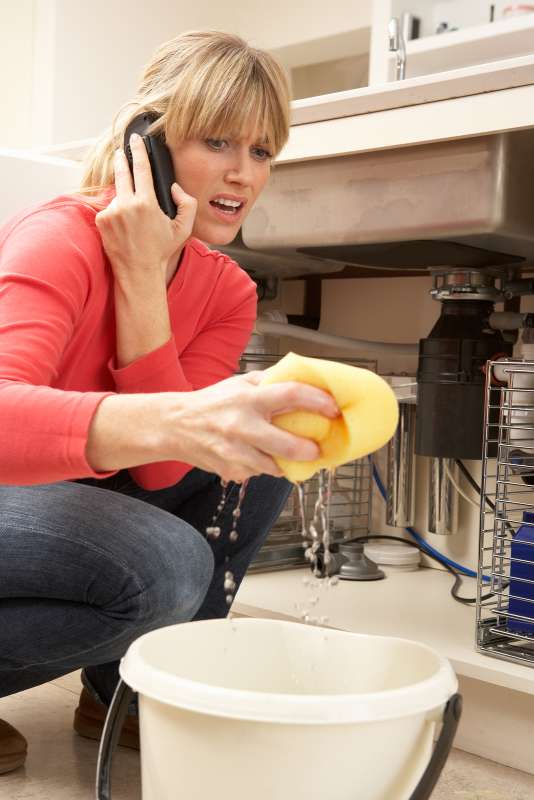
Installing, fixing, and maintaining septic tanks.
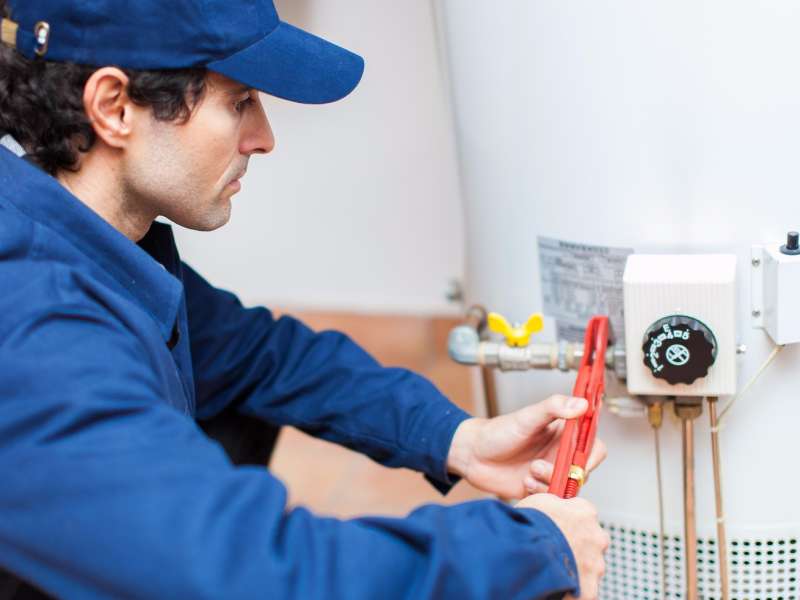
Handling groundwater in basements.
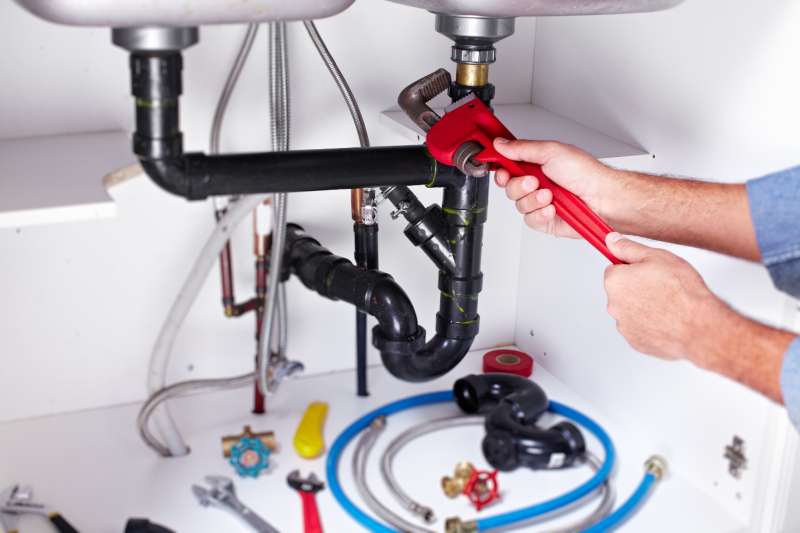
Setting up water-efficient or modern components.
Recommending on water-saving techniques and products.
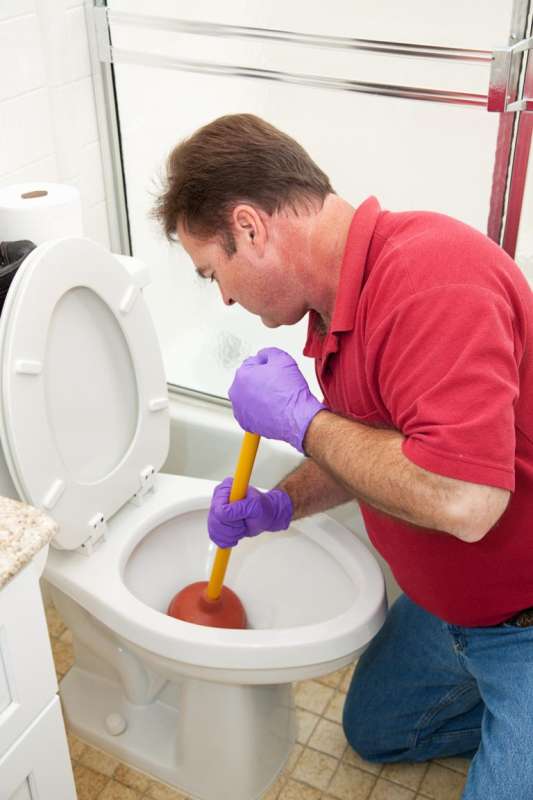
Installing water softeners and filtration systems.
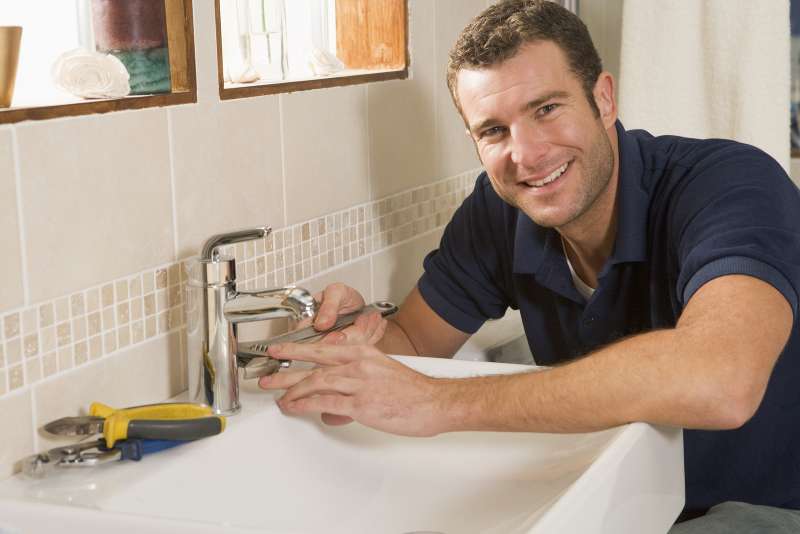
Flushing and checking hot water heater to prolong lifespan.

Dealing with problems with temperature, leaks, or failure to heat water.
Protecting basements or other locations from water invasion.
Immediate attention to prevent contamination and health threats.